December 16, 2025

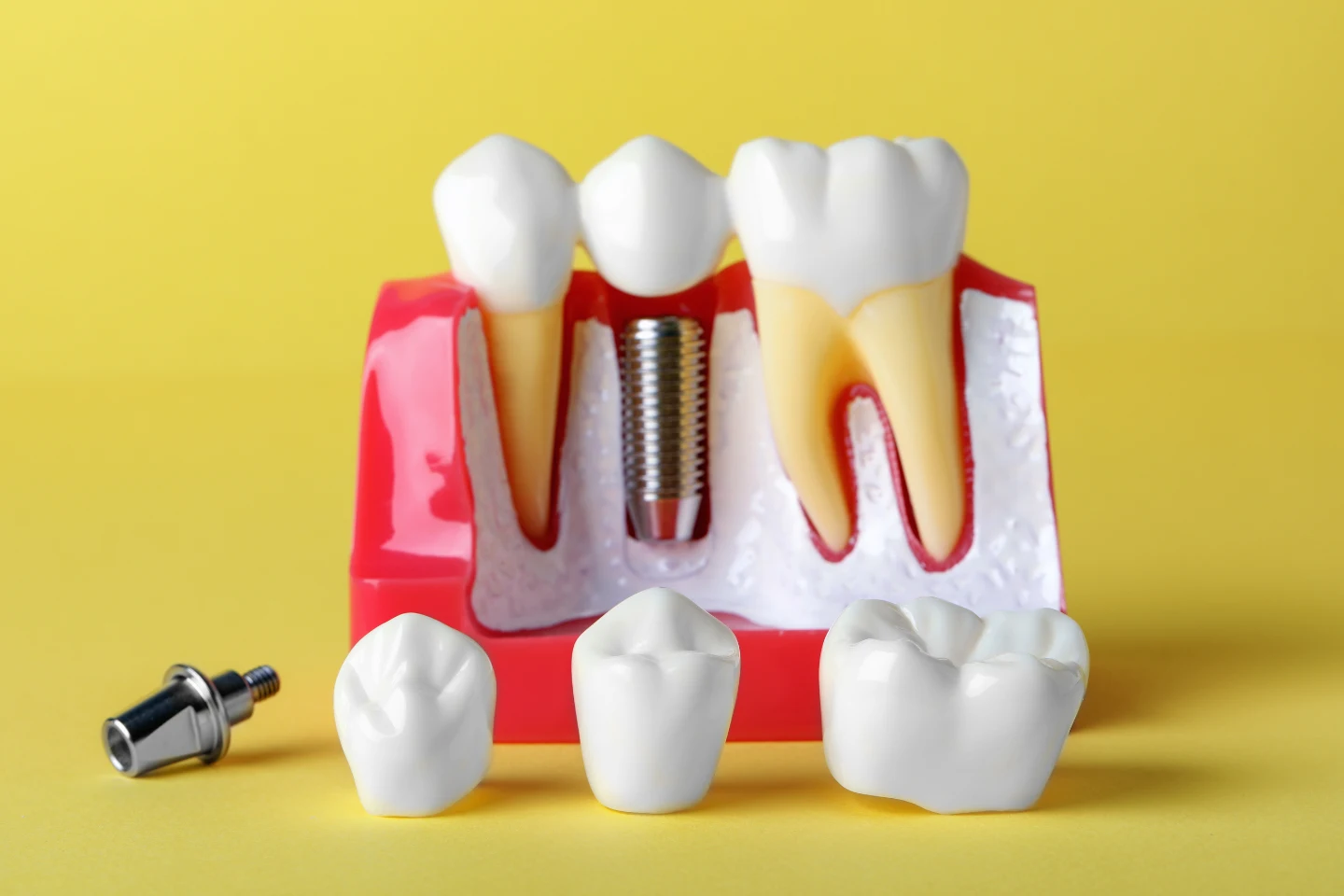
Considering dental implants to replace missing teeth is a big decision. You’ve probably researched the benefits: a natural look, restored function, and long-term durability, but a common concern often remains: Are dental implants painful?
The thought of any surgical procedure can cause anxiety, but modern dentistry makes the dental implant process surprisingly manageable.
The straightforward answer is: The dental implant placement procedure itself is not painful because it is performed under local anaesthesia. You will feel pressure, and possibly vibrations, but no sharp pain. Any discomfort begins after the anaesthesia wears off, but this post-operative soreness is typically mild to moderate and easily managed with prescribed and over-the-counter medication.
At Freshdental in London, our priority is ensuring both the success of your tooth replacement and your comfort throughout the entire journey.
To understand the pain level, it helps to know exactly what the dental implant procedure involves. A dental implant is essentially a small, titanium post that replaces the root of a missing tooth.
Before any surgery, thorough planning is essential. Your Freshdental clinician will use advanced imaging (like 3D scans) to assess the density and quality of your jawbone, ensuring the surgical placement is precise. A well-planned procedure significantly reduces surgical time and potential complications, which directly translates to less post-operative discomfort.
This is the stage where the titanium post is surgically placed into your jawbone.
After placement, the implant is left to heal beneath the gum line for several months (typically 3 to 6). During this time, the bone naturally fuses with the titanium post, a process called osseointegration. This phase is crucial for long-term stability and is generally pain-free.
Once the implant is fully integrated and stable, an abutment (a connector piece) and the final dental crown (the visible tooth) are attached to the implant post. This stage involves no surgery or pain.
The true recovery period, where you will experience some discomfort, is the first few days after the implant placement surgery. The pain level is often compared to the soreness felt after a routine tooth extraction.
Your Freshdental dentist in London will provide detailed aftercare instructions and, if necessary, a prescription for pain relief.
Choosing the right practice for your tooth replacement is paramount to minimising discomfort and ensuring a successful outcome.
At Freshdental, advanced digital planning tools, including 3D cone-beam computed tomography (CBCT) scanning, allow for the most precise placement of the implant possible. This precision minimises surgical trauma to the surrounding tissues and bone, which directly results in less post-operative pain and quicker healing. We believe in using the highest standards of restorative dentistry for our patients across London.
A healthy foundation is key to a pain-free recovery. We ensure that any underlying issues, such as gum disease (periodontitis), are addressed before the implant procedure. Placing an implant in a clean, healthy mouth environment speeds up healing and reduces the risk of infection and resulting pain.
Q1: Is the feeling worse than a tooth extraction?
A: Most patients report that the feeling during the actual implant placement is less traumatic than having a difficult tooth extracted. The initial healing phase is comparable to a simple extraction, but often the post-operative discomfort from the implant procedure is manageable.
Q2: What is "dry socket" and can I get it after an implant?
A: Dry socket is a painful complication sometimes associated with tooth extraction. It occurs when the blood clot dissolves prematurely. Because the implant is placed into the bone and secured, dry socket is not a typical complication after dental implant surgery.
Q3: How long will I be off work?
A: For a single, uncomplicated dental implant placement, most people only require one to two days off work, or simply the day of the procedure and the following day. If you have a physically demanding job or are having multiple implants, your clinician might recommend a couple more days of rest.
Q4: Will I need to take strong painkillers?
A: While prescription painkillers may be provided for the first day or two, most patients transition quickly to managing any mild soreness with regular over-the-counter medication like paracetamol or ibuprofen.
Q5: Can I get dental implants if I have bone loss?
A: Bone loss is common with missing teeth. While it can complicate the procedure, techniques like bone grafting are available to restore the necessary jawbone volume, making the implant placement possible and safe. This will be fully assessed at your Freshdental consultation.
Don't let the fear of discomfort prevent you from achieving a complete, functional, and aesthetically pleasing smile. Dental implants are a fantastic, long-term solution for missing teeth. The temporary and manageable post-operative soreness is a small price to pay for a lifetime of stable chewing and smiling confidence.
Contact Freshdental today to schedule your initial consultation. Our team will thoroughly assess your oral health, discuss your options for implant dentistry and create a comfortable, precise treatment plan tailored just for you.
Call our reception team or visit our website to book your consultation.
I have just completed Invisalign treatment here and am thrilled with the results.


I have been seeing Monik at Freshdental for a while now and couldn't be happier with the service. I have just completed Invisalign treatment here and am thrilled with the results. Have recommended Monik to many of my friends & family and will continue to do to.


Freshdental London Limited is an Appointed Representative of Financing First Limited, which is authorised and regulated by the Financial Conduct Authority. Freshdental London Limited is a credit broker, not a lender. The provider of a payment scheme which is not offered through or by Financing First Limited may not be so authorised and regulated.


