December 5, 2025

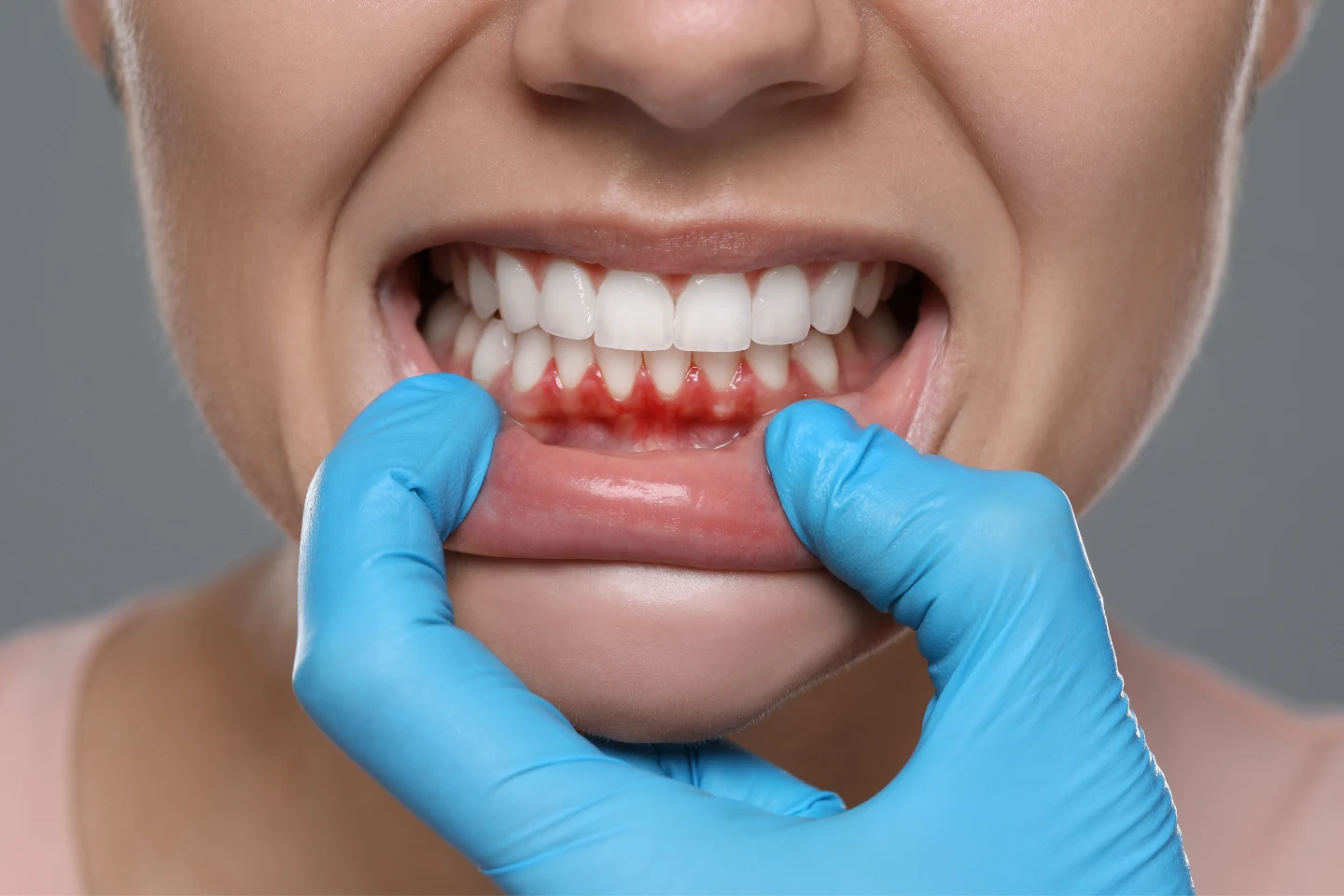
Gum disease, also known as periodontal disease, is a very common condition in the UK. It ranges from simple inflammation of the gums (gingivitis) to a more severe form (periodontitis) that can lead to significant damage to the soft tissue and bone supporting your teeth. If you are considering cosmetic treatments to enhance your smile, such as composite bonding, a natural question arises: Can you have composite bonding if you have gum disease?
The short answer is: It depends on the severity and whether your gum disease is currently being actively treated and managed. At Freshdental, we prioritise your overall oral health as the foundation for any cosmetic enhancement.
Composite bonding is a popular and minimally invasive cosmetic dental procedure. It involves applying a tooth-coloured composite resin material to the surface of your teeth, which is then sculpted, hardened with a special light, and polished. This technique offers a versatile approach to cosmetic dentistry. It can be used to:
It offers a fantastic, often single-appointment, solution for smile transformation.
A beautiful smile is built on healthy foundations. This means healthy gums and supporting bone structure.
Gum disease exists on a spectrum:
It is crucial to be aware of the signs of poor gum health before considering any cosmetic work:
The presence of active gum disease is a significant factor when planning any cosmetic dental treatment, including composite bonding.
When your gums are inflamed (gingivitis) or infected (periodontitis), they are unstable. Applying composite bonding onto teeth in an unhealthy environment is problematic for several reasons:
At Freshdental in Bayswater, we always take a comprehensive approach. You cannot have composite bonding with active, untreated gum disease.
Our process is simple:
Once you have had your composite bonding done at Freshdental, protecting your natural teeth and your new smile means continuing to look after your gums.
Q1: Will composite bonding cause gum disease?
A: No, composite bonding itself does not cause gum disease. However, if the bonding is poorly fitted, creating an overhang or a rough edge near the gum line, it can make it easier for plaque to accumulate, which does cause gum disease. This is why choosing a highly skilled practitioner at a practice like Freshdental is essential.
Q2: How long do I have to wait after gum treatment before getting bonding?
A: This is determined on a case-by-case basis. Generally, your dental clinician will want to see that your gums have fully healed, the inflammation has subsided, and your oral hygiene is consistently excellent. This could be anywhere from a few weeks to a couple of months following your professional gum treatment.
Q3: What happens if my gums recede after I get bonding?
A: If your gums recede due to underlying or recurring periodontitis, the edge of the composite material might become visible. This can be addressed by polishing the area or adding a small amount of new composite material to seamlessly blend the tooth and the gum line again. However, the priority must always be to address the cause of the recession (the gum disease).
Q4: Is composite bonding a good option for severe periodontitis?
A: If you have severe periodontitis, composite bonding is not the appropriate first step. Severe periodontitis requires specialist attention to stabilise the teeth and bone structure. Cosmetic work is typically only considered once the periodontal condition is completely stable and the prognosis for the affected teeth is good.
Your smile journey must begin with a foundation of health. If you are interested in transforming your smile with composite bonding but are concerned about your gum health, we encourage you to take the first step.
The clinical director and founder of Freshdental, Dr Monik Vasant, is a globally recognised figure in the field of minimally invasive aesthetic dentistry. His core philosophy centres on preserving the natural tooth structure above all else. This approach ensures that cosmetic enhancements like composite bonding are performed to the highest technical standards, integrating seamlessly with your natural teeth and, crucially, complementing your overall oral health. His dedication ensures that any cosmetic work undertaken at Freshdental is built on a stable, healthy foundation, making it both beautiful and sustainable.
Contact Freshdental today to schedule a comprehensive consultation. Our experienced team will assess your current oral health status and create a personalised treatment plan to ensure your gums are healthy and stable, paving the way for the beautiful, long-lasting results you desire.
Call our reception team or visit our website to book your consultation.
I have just completed Invisalign treatment here and am thrilled with the results.


I have been seeing Monik at Freshdental for a while now and couldn't be happier with the service. I have just completed Invisalign treatment here and am thrilled with the results. Have recommended Monik to many of my friends & family and will continue to do to.


Freshdental London Limited is an Appointed Representative of Financing First Limited, which is authorised and regulated by the Financial Conduct Authority. Freshdental London Limited is a credit broker, not a lender. The provider of a payment scheme which is not offered through or by Financing First Limited may not be so authorised and regulated.


