December 11, 2025

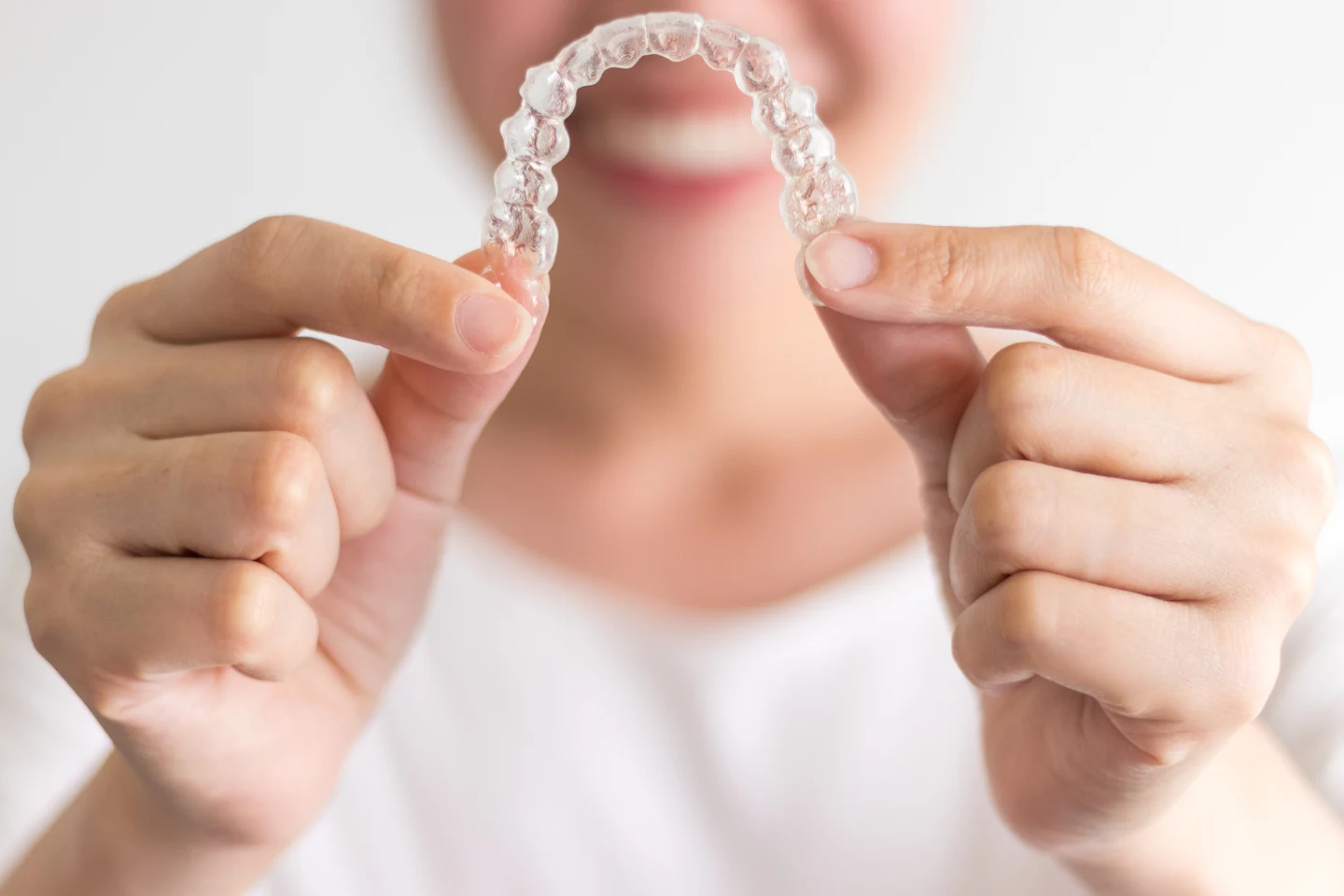
If you are considering Invisalign to achieve a straighter, more confident smile, one of the first questions you’ll likely ask is, "Will it hurt?" It is a completely natural concern when thinking about any form of orthodontic treatment.
The short and honest answer is: Invisalign does not typically cause sharp or intense pain, but you will experience temporary discomfort, often described as a feeling of tightness or pressure. This sensation is simply a sign that the clear aligners are doing their job: gently, progressively moving your teeth into their desired positions. It is generally a much more comfortable experience compared to traditional metal braces.
At Freshdental in London, we focus on making your Invisalign journey as smooth and comfortable as possible, built on a foundation of precision planning and clear communication.
The whole concept of Invisalign clear aligners revolves around applying controlled, gentle force to your teeth to gradually shift them. This necessary process of movement is what causes the temporary feeling of discomfort.
When you first put in your very first set of Invisalign aligners, you will feel the greatest pressure. The aligners are precisely custom-made to fit your current tooth position, but also to apply pressure toward the next position.
You will switch to a new set of Invisalign aligners roughly every one to two weeks, depending on your personalised treatment plan. Each new set marks the next stage of movement and will restart the cycle of pressure.
While the clear plastic of the aligners is smooth, sometimes the edges can feel a little rough against your gums, cheeks, or tongue initially. This is usually minor and temporary. If any specific area causes ongoing irritation, your Freshdental clinician can easily polish or smooth the aligner's edge to provide immediate relief.
One of the major benefits that draws patients to Invisalign is the vastly improved comfort level compared to traditional fixed braces.
Traditional braces use metal brackets bonded to the teeth and connected by wires, which require regular manual "tightening." This tightening can lead to significant aches and often causes painful rubbing, cuts, and sores inside the cheeks and lips.
In contrast, Invisalign uses smooth, custom-trimmed plastic aligners that simply fit over your teeth, eliminating the primary source of irritation. There are no wires to break and no brackets to rub.
The Invisalign system uses advanced digital mapping (with an iTero Element™ scanner at Freshdental) to plan out your tooth movements in minute detail. This ensures that the force applied by each aligner is precisely calculated and gentle. This predictable, controlled force is less shocking to the tooth structures than the adjustments associated with traditional fixed appliances, contributing to less overall soreness.
While discomfort is short-lived, you don't have to simply endure it. Here are proven strategies to manage any temporary aches during your Invisalign treatment:
1. Switch Aligners at Night
This is the number one piece of advice from many Invisalign patients. By switching to your new aligner right before you go to sleep, you wear through the first, most intense hours of pressure while you are asleep. Your teeth will have already started adjusting by the time you wake up.
2. Over-the-Counter Pain Relief
If you feel significant tightness after fitting a new tray, taking a mild over-the-counter painkiller, such as paracetamol (acetaminophen) or ibuprofen, about an hour before changing aligners can significantly reduce discomfort.
3. Stick to Soft Foods
For the first couple of days after changing to a new aligner, your teeth may feel sensitive when biting or chewing. Temporarily sticking to a soft food diet (soups, smoothies, soft pasta, mashed potatoes) can help avoid unnecessary tenderness.
4. Use "Chewies"
Small, soft rubber accessories called "chewies" (or aligner seaters) can be helpful. Gently chewing on them for a few minutes when you put in a new aligner helps seat the aligner fully onto your teeth. This ensures a proper fit, which reduces unnecessary pressure and helps your teeth move efficiently, potentially speeding up the adjustment period.
5. Consistent Wear Time
It may sound counterintuitive, but wearing your Invisalign aligners for the recommended 20-22 hours per day is crucial. Taking them out for extended periods allows your teeth to start shifting back, making it more painful and difficult when you put the aligners back in. Consistent wear ensures continuous, smooth movement.
Q1: Does the pain get worse with each new tray?
A: Generally, no. Most patients find that the initial tightness becomes milder and easier to manage as they progress through their Invisalign treatment and their mouth adapts to the process.
Q2: What if I feel sharp pain?
A: Sharp, continuous pain is not normal. It could be a sign of a rough aligner edge or a tracking issue. If you experience sharp or persistent pain that does not subside after a few days, you must contact your Freshdental clinician immediately for advice.
Q3: Do the small attachments hurt?
A: Invisalign attachments are small, tooth-coloured dots bonded to your teeth to help the aligners grip. While you may feel them with your tongue, they do not cause pain. They may feel slightly rough when the aligners are removed, but this is usually minor and temporary.
Q4: How long does the entire treatment take?
A: Treatment time varies significantly depending on the complexity of your case. Minor corrections might take as little as 6 months, while comprehensive cases can take 12 to 18 months or longer. Your Freshdental clinician will provide a clear estimate during your consultation.
The prospect of a beautiful, straight smile shouldn't be overshadowed by the fear of pain. Invisalign offers a modern, comfortable, and discreet alternative to traditional braces. At Freshdental, we leverage cutting-edge digital technology and extensive experience to ensure your journey to a new smile is as pain-free and efficient as possible.
Contact Freshdental today to book your initial consultation. Let us help you take the first, comfortable step toward the smile you’ve always wanted.
I have just completed Invisalign treatment here and am thrilled with the results.


I have been seeing Monik at Freshdental for a while now and couldn't be happier with the service. I have just completed Invisalign treatment here and am thrilled with the results. Have recommended Monik to many of my friends & family and will continue to do to.


Freshdental London Limited is an Appointed Representative of Financing First Limited, which is authorised and regulated by the Financial Conduct Authority. Freshdental London Limited is a credit broker, not a lender. The provider of a payment scheme which is not offered through or by Financing First Limited may not be so authorised and regulated.


