January 6, 2025

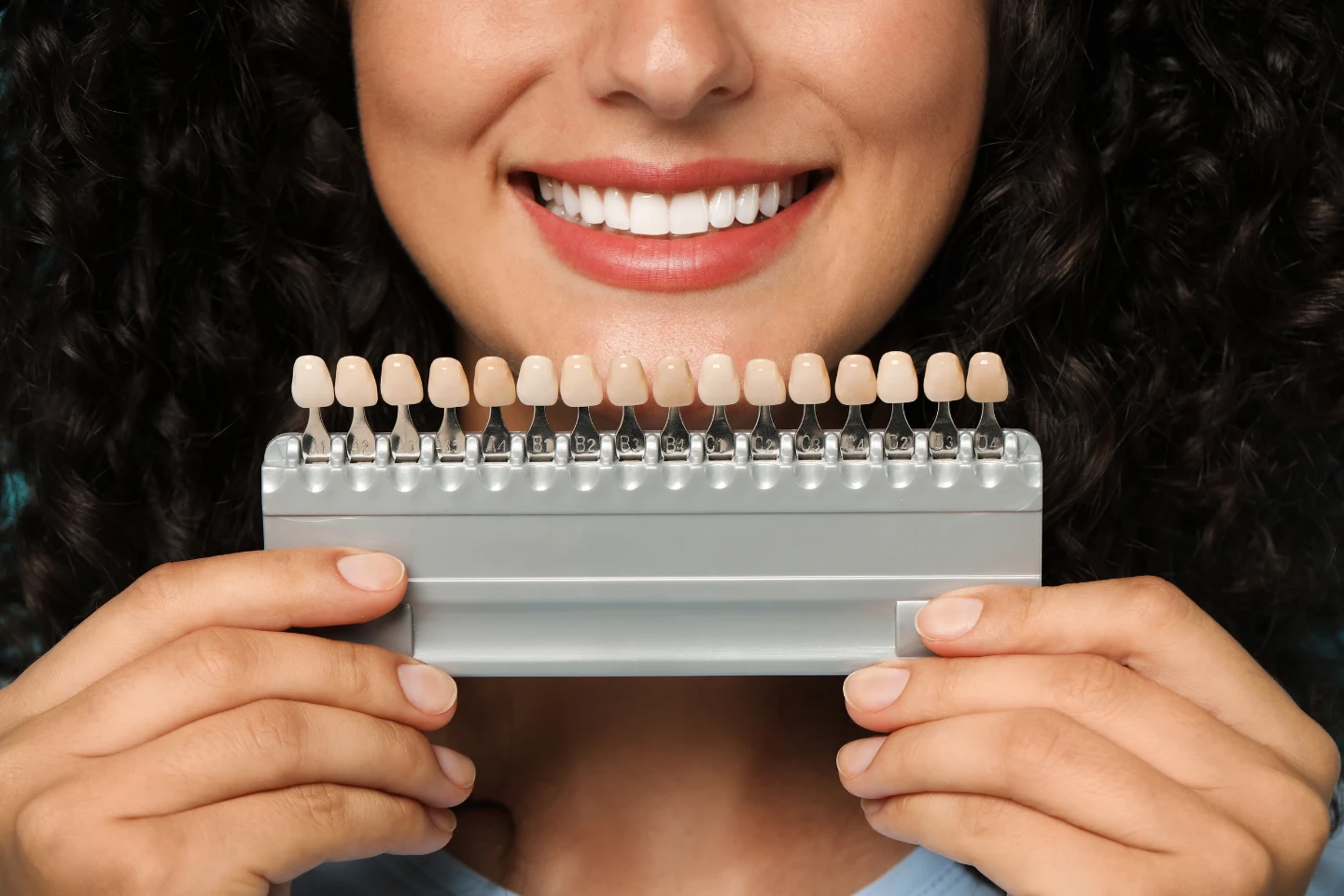
If you’ve been dreaming of a brighter, more confident smile, chances are you’ve come across veneers. They’re one of the most popular cosmetic dental treatments in London and for good reason. Veneers can cover chips, smooth out uneven edges, close small gaps, and instantly transform your smile.
But before patients here in Bayswater commit, one question always comes up in our consultations:
“How long do veneers actually last?”
The short answer: Veneers aren’t forever, but with the right care, they can last a decade or more. Let’s explore the types of veneers, what affects their lifespan, and how to make sure your investment lasts as long as possible.
Dental veneers are ultra-thin shells, usually made from porcelain or composite resin, that bond to the front of your teeth. Think of them like a tailored suit for your smile, custom-made to fit perfectly and enhance your natural appearance.
Here at Freshdental in Bayswater, we typically recommend two main types:
Both options can dramatically improve your smile, but porcelain has the edge in durability and aesthetics.
While veneers are long-lasting, it’s important to remember they’re not permanent. At some point, they’ll need to be replaced. But how long they serve you well depends on several factors.
Not every patient’s veneers last the same amount of time. Here are the biggest influences:
Porcelain is tougher, more resistant to stains, and mimics natural enamel beautifully. Composite is quicker and cheaper but won’t last as long.
Proper preparation and precise bonding are key. Poorly fitted veneers can loosen, crack, or fail early. Choosing an experienced cosmetic dentist in Bayswater, like our team at Freshdental, makes a big difference.
Veneers won’t decay, but your natural teeth underneath can. Twice-daily brushing, flossing, and regular dental check-ups protect your investment.
If you grind your teeth (bruxism), veneers face extra pressure that can cause cracks. A custom night guard can protect them.
Biting into hard foods (ice, nuts, hard sweets) or using your teeth as tools (opening bottles, tearing packets) shortens the veneer's lifespan. With composite veneers, especially dark drinks like coffee, tea, and red wine can stain faster.
Healthy gums help veneers blend seamlessly with your natural smile. Gum recession can expose veneer edges, impacting appearance and durability.
Sports injuries or falls can break veneers. If you play contact sports, a custom-fitted mouthguard is a must.
Even the best veneers don’t last forever. You may need a replacement if you notice:
If you spot any of these signs, book an appointment at Freshdental Bayswater. Catching issues early can prevent bigger (and more expensive) problems.
The good news? You have a lot of control over how long veneers last. Here are our top tips for extending their lifespan:
Absolutely. For many of our Bayswater patients, veneers are life-changing. They provide a fast, effective way to achieve the smile you’ve always wanted, with results that can last more than a decade.
Yes, they require an investment and eventual replacement, but when you consider the boost to confidence, appearance, and even professional opportunities, many patients feel they’re worth every penny.
We know that choosing veneers isn’t just about getting a cosmetic fix; it’s about trusting your smile to the right team. Here’s why patients across Bayswater, Paddington, and Notting Hill choose us:
Q1. Do veneers hurt to get?
Most patients report little to no discomfort. We use local anaesthetic if needed, and the procedure is usually quick and comfortable.
Q2. Can veneers fall off?
It’s rare, but poorly fitted or heavily worn veneers can loosen. Regular check-ups help prevent this.
Q3. Do veneers stain like natural teeth?
Porcelain veneers are very resistant to stains. Composite veneers can stain more easily, but professional cleanings help keep them fresh.
Q4. Can I get veneers on just one tooth?
Yes! Veneers can be placed on a single tooth or several, depending on your needs.
Q5. How much do veneers cost in London?
Costs vary depending on the material and the number of veneers you need. We’ll provide a personalised treatment plan and transparent pricing at your consultation.
So, how long do veneers last? On average, 10–15 years for porcelain and 5–7 years for composite, but with the right dentist and proper care, you could enjoy your veneers for much longer.
If you’re considering veneers in Bayswater or nearby areas like Paddington and Notting Hill, we’d love to help you design a smile that lasts.
Call Freshdental today, or book your consultation online to get started on your journey to a brighter, more confident smile.
I have just completed Invisalign treatment here and am thrilled with the results.


I have been seeing Monik at Freshdental for a while now and couldn't be happier with the service. I have just completed Invisalign treatment here and am thrilled with the results. Have recommended Monik to many of my friends & family and will continue to do to.


Freshdental London Limited is an Appointed Representative of Financing First Limited, which is authorised and regulated by the Financial Conduct Authority. Freshdental London Limited is a credit broker, not a lender. The provider of a payment scheme which is not offered through or by Financing First Limited may not be so authorised and regulated.


