November 19, 2025

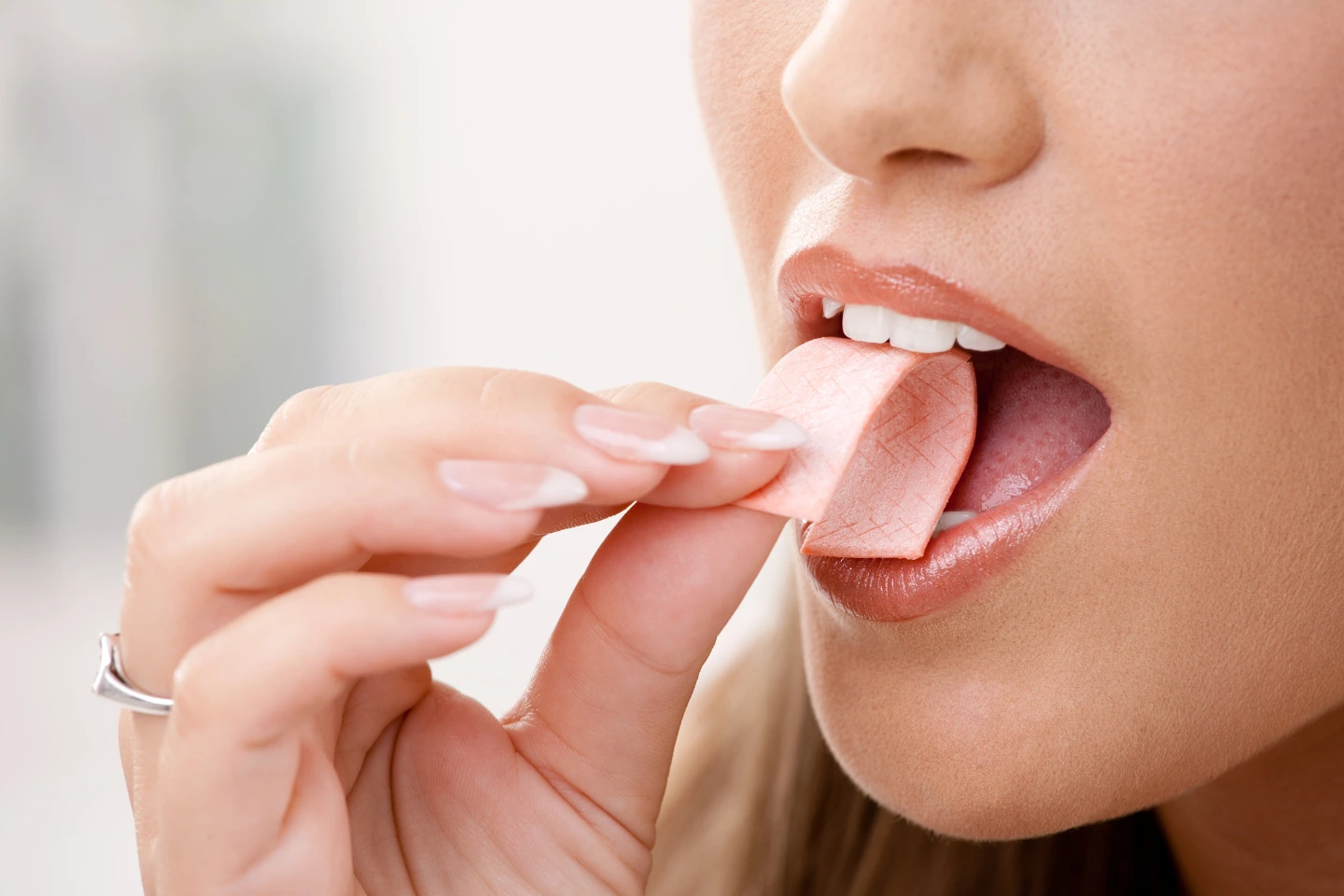
Chewing gum is often associated with fresh breath or a quick way to clean your mouth after eating. But is it genuinely good for your teeth? The answer depends on the type of gum you choose and how you use it. When used correctly, certain types of gum can support good oral hygiene and even complement your dental care routine.
When you chew gum, your mouth produces more saliva. This increase in saliva flow is one of the key reasons why chewing gum can be beneficial for your teeth. Saliva helps wash away food particles, neutralises acids produced by bacteria, and supports the natural process of remineralisation, where minerals are redeposited into tooth enamel.
However, not all chewing gums are the same. The benefits only apply to sugar-free gum, not regular varieties that contain sugar. Sugary gum feeds oral bacteria, which can lead to acid production and enamel erosion.
Sugar-free gum contains sweeteners such as xylitol, sorbitol, or mannitol instead of sugar. These do not feed harmful bacteria, and in some cases, they even reduce bacterial growth in the mouth.
Here’s what happens when you chew sugar-free gum:
According to research published by the European Food Safety Authority (EFSA), chewing sugar-free gum can reduce tooth demineralisation and help maintain enamel strength.
Research from dental health organisations, including the British Dental Association (BDA), supports the use of sugar-free gum as a safe and helpful practice after meals.
Sources:
These studies highlight that chewing sugar-free gum after eating can help reduce plaque acid levels and protect against early tooth decay.
To get the most benefit, dental professionals recommend chewing sugar-free gum for about 20 minutes after meals or snacks. This helps to stimulate saliva when it’s needed most — right after eating, when acids are at their highest.
However, it’s important to remember that chewing gum is not a substitute for brushing and flossing. It’s an additional measure, not a replacement. Brushing twice a day with fluoride toothpaste and maintaining regular dental check-ups remain essential for long-term oral health.
While most people can enjoy sugar-free gum safely, it may not be suitable for everyone. For instance:
Your dentist can provide personal advice based on your specific dental condition and lifestyle.
No, chewing gum cannot clean plaque or replace your toothbrush. It simply helps neutralise acids and increase saliva production between brushing sessions. For effective oral hygiene, combine sugar-free gum with proper brushing, flossing, and professional dental cleanings.
Myth 1: All gum is good for your teeth
Only sugar-free gum has proven benefits. Chewing gum with sugar increases the risk of tooth decay.
Myth 2: Gum can fix bad breath permanently
Chewing gum may mask odours temporarily, but persistent bad breath could be a sign of gum disease or another dental issue.
Myth 3: Gum replaces mouthwash
While it stimulates saliva, gum cannot disinfect the mouth or remove bacteria in the same way that mouthwash can.
1. Can I chew gum if I have fillings or veneers?
Yes, in most cases. Sugar-free gum is soft and non-abrasive, so it shouldn’t damage dental work. However, check with your dentist if you have delicate or temporary restorations.
2. How often should I chew gum each day?
Chewing sugar-free gum two or three times a day after meals is enough to gain the benefits. Over-chewing can strain jaw muscles.
3. What’s the best flavour to choose?
Mint is the most popular and effective at freshening breath, though flavour choice doesn’t affect dental benefits.
4. Can children chew sugar-free gum?
Yes, if they’re old enough to understand not to swallow it. Some sugar-free gums are specifically formulated for children.
5. Does xylitol gum really prevent cavities?
Studies show xylitol can reduce cavity-causing bacteria in the mouth, making it a helpful addition to sugar-free gum.
Chewing sugar-free gum is a simple and effective way to complement daily oral hygiene, especially when brushing isn’t possible immediately after eating. The act of chewing helps your mouth recover from acid attacks and maintains a fresher, cleaner feeling throughout the day.
For personalised advice on protecting your smile, visit our dental clinic in Bayswater and discuss your options for preventive care and treatments.
I have just completed Invisalign treatment here and am thrilled with the results.


I have been seeing Monik at Freshdental for a while now and couldn't be happier with the service. I have just completed Invisalign treatment here and am thrilled with the results. Have recommended Monik to many of my friends & family and will continue to do to.


Freshdental London Limited is an Appointed Representative of Financing First Limited, which is authorised and regulated by the Financial Conduct Authority. Freshdental London Limited is a credit broker, not a lender. The provider of a payment scheme which is not offered through or by Financing First Limited may not be so authorised and regulated.


