December 17, 2025

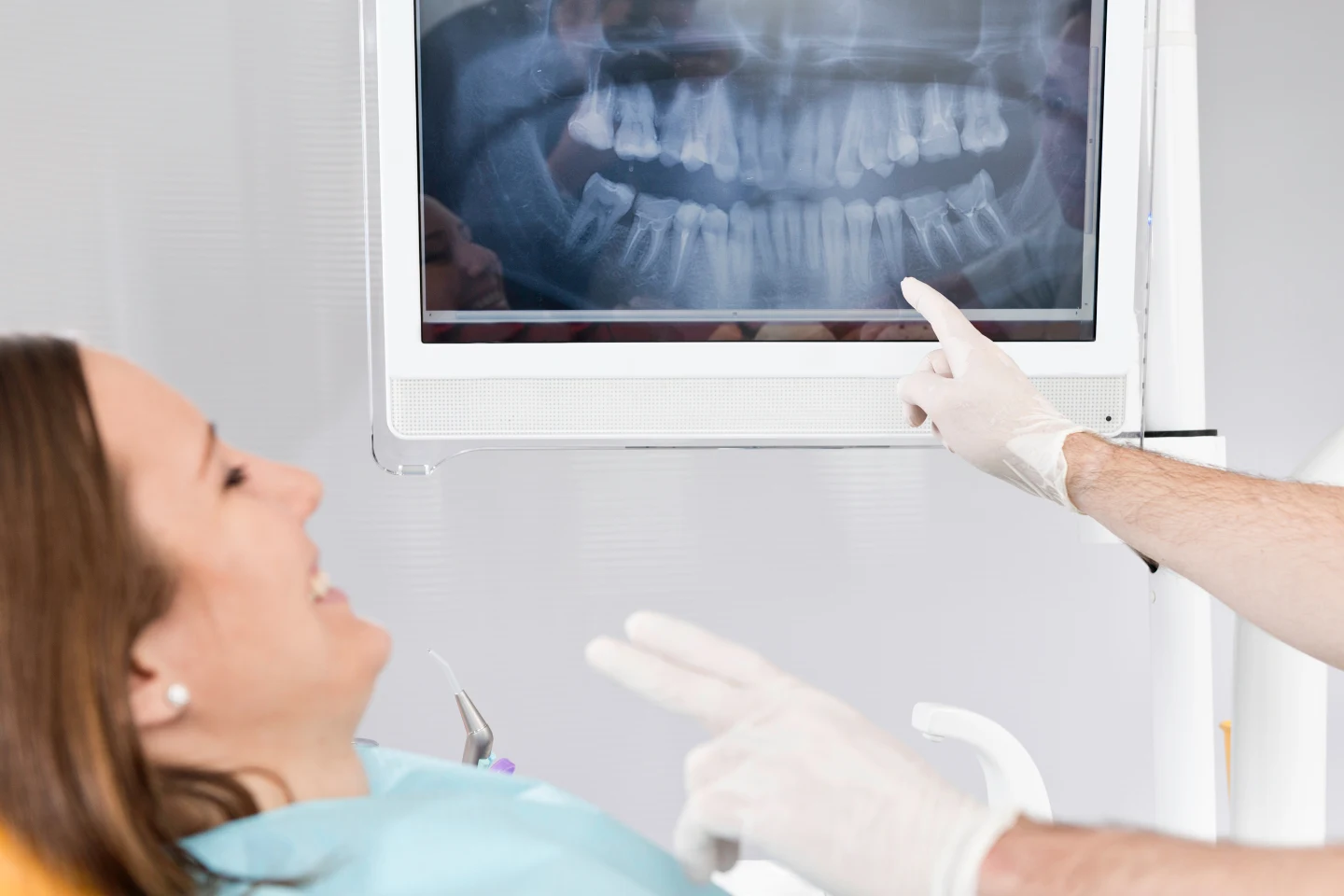
You’ve scheduled your regular dental checkup at Freshdental, ready for a scale and polish and a quick examination. Then, your dental clinician suggests taking a set of dental x-rays. It is a common part of preventative dental care, but many UK patients wonder: Are they truly necessary? And what exactly are they looking for?
Simply put, dental x-rays are an indispensable diagnostic tool to see what is hidden beneath the surface of your teeth and gums. Without them, many serious dental issues would go undetected until they became painful, expensive, and much harder to treat.
At Freshdental in Bayswater, London, we use modern digital X-ray technology to ensure a low dose of radiation and a clear, immediate picture of your oral health, making them a cornerstone of effective preventative dentistry.
A visual examination by your clinician focuses on the surface of your teeth, gums, and soft tissues. This is crucial for checking existing fillings, looking for obvious cavities, and screening for gum recession or oral cancer.
However, many common and serious dental problems develop in areas that are impossible to see:
The primary value of a dental X-ray is its ability to spot problems when they are still small and manageable. A tiny cavity visible on an X-ray can be treated with a small filling. If left unchecked until it causes pain, the same cavity may require a complicated root canal treatment or even tooth extraction. Early detection saves you time, money, and discomfort.
Not all dental x-rays are the same. Your clinician will select the appropriate type based on your specific needs, age, and risk factors.
Concerns about radiation are understandable, but modern digital dentistry has made dental x-rays extremely safe.
At Freshdental, we use advanced digital radiography. Compared to old film x-rays, digital sensors require significantly less radiation, typically reducing the patient's exposure by up to 90%. The amount of radiation received from a single set of bitewing x-rays is minimal, equivalent to the radiation you receive from natural sources (background radiation) in a few hours of simply existing.
The frequency of your x-rays is personalised based on your oral health history and risk factors.
Q1: Can I refuse to have an X-ray?
A: You always have the right to refuse any medical procedure. However, if you refuse x-rays, your clinician may not be able to diagnose hidden problems like decay between teeth or infections. This limitation must be documented, and it may affect the quality and comprehensiveness of the care they can provide.
Q2: Are x-rays safe for children?
A: Yes, when necessary and used appropriately, dental x-rays are safe for children. They are crucial for monitoring growth, checking for impacted teeth, and catching childhood decay early. The radiation dosage is kept to the absolute minimum.
Q3: How long does the X-ray process take?
A: The process is very quick. Taking a full set of bitewing x-rays, including preparation and positioning, usually takes less than five minutes. Digital images appear almost instantly on the screen.
Q4: Why do I need an X-ray if my teeth feel fine?
A: Many significant dental problems, including early-stage decay and chronic bone loss from gum disease, are asymptomatic. They do not cause pain until they are advanced. X-rays detect these issues long before they are felt.
X-rays are not just an optional extra; they are a vital safeguard for your long-term oral health. They provide the hidden intelligence your dental team needs to spot trouble early and keep your smile healthy and beautiful.
Contact Freshdental today to schedule your comprehensive checkup, including necessary digital x-rays. Our team is dedicated to using the best technology to provide you with the most thorough and safest dental care available.
Call our reception team or visit our website to book your checkup.
I have just completed Invisalign treatment here and am thrilled with the results.


I have been seeing Monik at Freshdental for a while now and couldn't be happier with the service. I have just completed Invisalign treatment here and am thrilled with the results. Have recommended Monik to many of my friends & family and will continue to do to.


Freshdental London Limited is an Appointed Representative of Financing First Limited, which is authorised and regulated by the Financial Conduct Authority. Freshdental London Limited is a credit broker, not a lender. The provider of a payment scheme which is not offered through or by Financing First Limited may not be so authorised and regulated.


