October 29, 2025

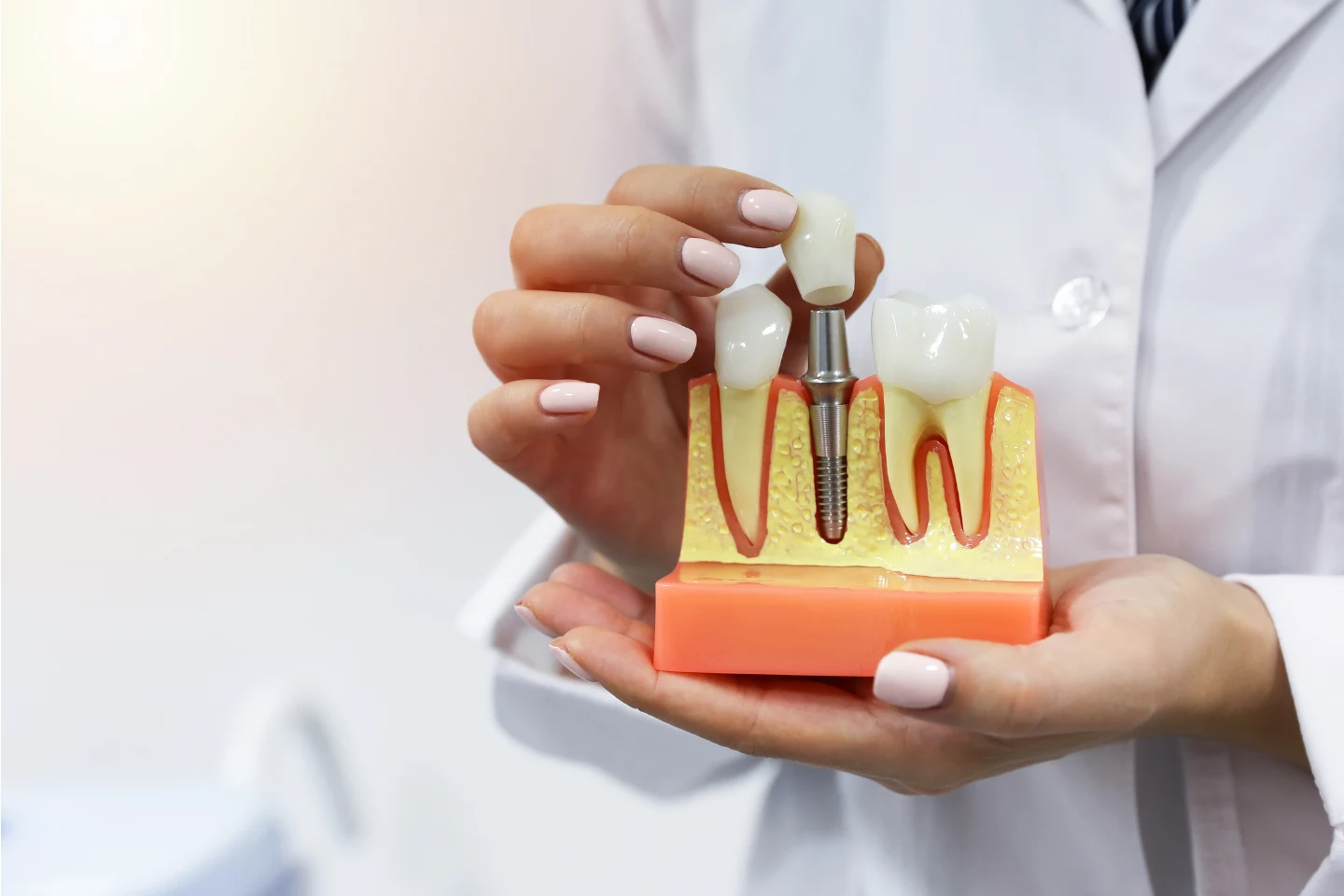
If you have recently had a dental implant, your dentist may have advised you to avoid dairy products for a short time. This can seem surprising, especially since dairy foods are usually considered healthy and rich in calcium. However, after a dental implant procedure, your mouth needs time to heal properly, and certain foods can interfere with that process.
In this article, we look at why dentists often recommend avoiding dairy immediately after getting dental implants, how long you should wait before reintroducing it, and what foods are safer to eat while your mouth recovers.
A dental implant replaces a missing tooth by placing a small titanium post into the jawbone. After the procedure, the body begins a natural healing phase where the implant fuses with the bone. This process, known as osseointegration, is essential for creating a strong and lasting foundation for your new tooth.
In the first few days after surgery, the surrounding gums are delicate and more likely to become irritated or infected. This is why following aftercare advice and eating the right foods are so important during early recovery.
Even though pasteurised dairy is safe in general, it can still contain small amounts of natural bacteria. When your gums are healing, even mild irritation can slow down recovery. Avoiding dairy helps reduce that risk in the initial days after treatment.
Some people notice that milk and dairy foods increase mucus in the mouth and throat. After oral surgery, this can feel uncomfortable and make it harder to keep the mouth clean.
Cold foods such as milkshakes, yoghurt or ice cream can trigger sensitivity near the surgical site. Sticking to soft, room-temperature foods is more comfortable and promotes a calmer healing environment.
Some people experience mild nausea after anaesthetic or pain medication. Dairy can sometimes worsen that queasy feeling, so avoiding it temporarily helps keep you comfortable.
Most people can start eating dairy again around three to five days after the implant procedure, once the initial healing has begun. It’s best to start with mild, soft options such as plain yoghurt or cottage cheese and avoid anything too cold or acidic.
Your dentist at Freshdental will review your progress and guide you on when it is safe to return to your normal diet.
For the first few days, choose foods that are soft, easy to chew and gentle on the healing area. These allow your mouth to recover without unnecessary pressure or irritation.
These foods provide nutrition while helping to protect your new implant and support a smooth recovery.
Brush gently, avoiding direct contact with the surgical site for the first couple of days. Use a mild saltwater rinse or an alcohol-free mouthwash if recommended by your dentist.
For more guidance on maintaining oral hygiene post-surgery, check out our detailed post on caring for your teeth after dental implant treatment — it covers essential care steps to ensure your implant heals successfully.
Drink plenty of water to keep your mouth fresh and to help the body heal naturally. Avoid fizzy or sugary drinks during the recovery period.
Smoking and alcohol can slow down healing and increase the risk of infection or implant failure. It is best to avoid them completely during recovery, and quitting altogether can benefit your overall oral and general health.
Can I drink milk after a dental implant?
It’s better to avoid milk for a few days after surgery. Once your mouth feels comfortable and healing is underway, you can gradually add it back.
Is yoghurt safe after dental implant surgery?
Plain, soft yoghurt is usually fine after the first few days, as long as it doesn’t cause discomfort. Avoid sour or heavily flavoured versions at first.
What happens if I eat dairy too early?
Eating dairy too soon might cause mild irritation or discomfort. Always follow your dentist’s dietary advice for the smoothest recovery.
What foods should I avoid after getting dental implants?
Avoid hard, crunchy, or spicy foods until your dentist confirms it’s safe to eat normally again. These can disturb the implant site and delay healing.
If you notice increased swelling, persistent pain, or any signs of infection such as redness or discharge, contact your dentist as soon as possible. Early attention can prevent complications and help your implant heal properly.
If you are thinking about dental implants in London, Freshdental provides advanced care in a relaxed and friendly environment. Our team focuses on comfort, precision and long-term results, helping you restore your smile with confidence.
Book your consultation today to find out more about dental implant treatment and aftercare at Freshdental in London.
I have just completed Invisalign treatment here and am thrilled with the results.


I have been seeing Monik at Freshdental for a while now and couldn't be happier with the service. I have just completed Invisalign treatment here and am thrilled with the results. Have recommended Monik to many of my friends & family and will continue to do to.


Freshdental London Limited is an Appointed Representative of Financing First Limited, which is authorised and regulated by the Financial Conduct Authority. Freshdental London Limited is a credit broker, not a lender. The provider of a payment scheme which is not offered through or by Financing First Limited may not be so authorised and regulated.


